


What is a COA?
A COA is a lab document generated after a third-party lab runs a sample of hemp flower or concentrate through a full battery of tests. Think of it as a nutrition label, except instead of calories and fat, it's telling you what's actually inside your THCA flower, down to the milligram.
Most shoppers glance at a COA and check one number: total THC. That's a mistake. A real COA tells you five separate stories, and each one matters:
- Whether the potency on the jar matches what's actually in the bag
- Whether the aroma comes from real terpenes or added flavoring
- Whether the plant absorbed anything it shouldn't have
- Whether solvents from extraction stuck around
- Whether mold, yeast, or bacteria hitched a ride
Skip any one of these, and you're gambling with what you're smoking. That's why Costa Brand publishes every result on our Lab Results page before you ever add to cart.

Cannabinoid Profile: The Numbers That Actually Matter
The cannabinoid profile section breaks down every compound the lab detected, not just THCA, but CBD, CBG, CBN, and trace cannabinoids most brands don't bother measuring at all.
Here's something most buyers don't realize: raw THCA converts to Delta-9 THC at roughly a 0.877 ratio once heated. So a jar testing at 30% THCA doesn't hand you 30% THC after you light it; it's closer to 26%. A COA that lists both the raw THCA percentage and the calculated "total THC potential" is doing real math for you, not marketing math.
Watch for line items separating Delta-9 THC, Delta-8 THC, and THCA individually. If a report only lists one combined number, ask why.
Terpene Profile: Where the Real Flavor Lives
Terpenes are the aromatic oils responsible for a strain's smell and much of its effect. A terpene profile on a COA lists compounds like myrcene, limonene, and caryophyllene by exact percentage.
Here's the unheard-of part: terpene content above roughly 1% by weight often signals live resin or fresh-frozen processing rather than standard drying. Cheaper flower frequently tests under 0.5% total terpenes, dried out and flavor-flat, even if the THCA number looks impressive on the shelf.
Heavy Metals: The Test Most Brands Skip
Heavy metal screening checks four elements every regulated hemp lab tests for:
| Metal | Why It's Tested |
|---|---|
| Lead | Absorbed from contaminated soil |
| Arsenic | Common in low-quality fertilizer |
| Cadmium | Bioaccumulates in plant tissue |
| Mercury | Airborne industrial contamination |
ResidualSolvents: Only Relevant for Concentrates
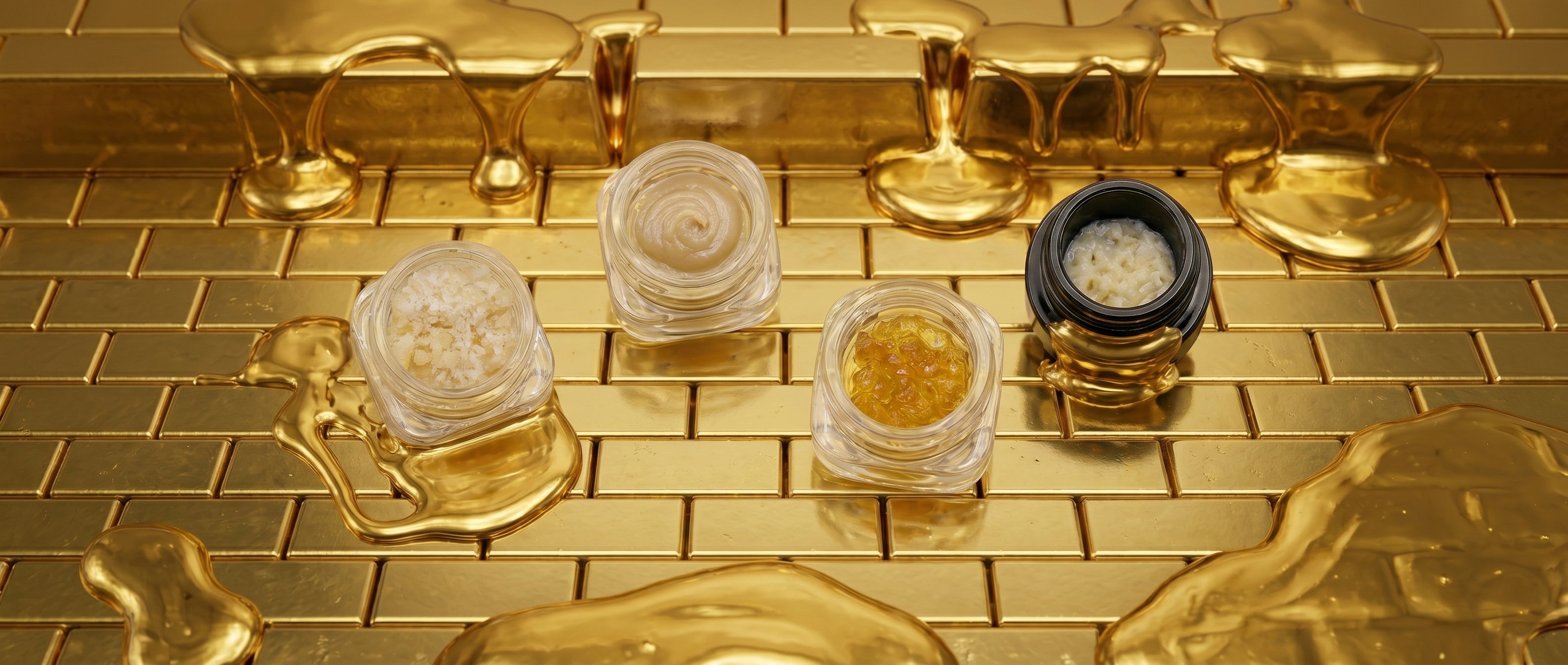
If you're buying THCA concentrates like live resin diamonds or badder, residual solvent testing confirms that butane, propane, or ethanol used during extraction was fully purged. Flower doesn't need this test since no solvents touch it; a red flag is a flower COA that lists a solvent panel as "not tested" instead of "not applicable."

Microbial Testing: The Test That Protects Your Lungs
Microbial testing screens for mold, yeast, E. coli, and Salmonella. This panel matters more for anything you're combusting than almost any other line on the report, since inhaling mold spores carries real respiratory risk. A passing microbial panel means the flower was dried and cured correctly, not rushed to shelf.

Costa Brand: Lab-Tested from Cultivation to Checkout
Costa Brand built its name on one idea: you shouldn't have to take a hemp brand's word for it. Every THCA flower, pre-roll, and concentrate we sell is independently verified by third-party labs, with full COAs published on our Lab Results page before you ever check out. We carry premium and exotic THCA flower, ready-to-smoke pre-rolls, and live resin concentrates including badder, sugar, diamonds, and rosin, each one grown by cultivators who share our standard for clean, tested hemp. Orders ship free over $100 across most of the USA, and every disclosure is one click away, not buried in fine print. If a COA is something you actually read before you buy, you're shopping the right way, and we're the right brand to shop with. Browse our full collection and see the lab results for yourself.
Frequently Asked Questions
A COA (Certificate of Analysis) is a lab report confirming a hemp product's cannabinoid content, purity, and safety. Costa Brand publishes ours before you ever check out.
Start with the cannabinoid profile for potency, then check heavy metals, residual solvents, and microbial testing for safety before buying any flower.
Regulated labs test lead, arsenic, cadmium, and mercury against strict action limits. A passing heavy metal panel means every result falls below the legal safety threshold.
No. Residual solvent testing only applies to extraction-based products like THCA concentrates. Flower isn't processed with solvents, so this panel doesn't apply to it.
Total terpene content above roughly 1% often signals fresher, better-processed flower. Anything under 0.5% usually points to dried-out, flavor-flat THCA flower.
Raw THCA converts to Delta-9 THC at about 0.877 to 1 when heated, so total THC potential always reads lower than the raw THCA percentage listed.
Every COA for our THCA flower, pre-rolls, and concentrates is published on the Lab Results page, viewable before you place any order.