


What Happens During Indoor Cultivation
Cultivar selection matters more than most buyers realize. Breeders develop specific hemp strains bred to express THCA percentages north of 25%, something unselected hemp genetics can't naturally reach on their own.
Growers also manage vapor pressure deficit, the relationship between temperature and humidity inside the grow space, since getting that balance wrong stresses plants and reduces trichome development even under otherwise ideal lighting.
- Selective defoliation opens the canopy so light reaches lower flower sites, not just the top.
- Indoor rooms hold consistent day and night temperatures, something outdoor crops can't guarantee
- Genetics set a plant's ceiling; growing conditions determine how close the harvest actually gets to it.
How Timing Shapes the Harvest
Harvest isn't a single event either. Flower destined for dried, cured products follows one path. Flower destined for live resin or live rosin follows a completely different one, flash frozen within hours of being cut, skipping drying and curing altogether to lock in terpenes that would otherwise evaporate during a slow cure.
That fork in the road- freeze immediately or dry slowly- decides almost everything about what a concentrate eventually smells and tastes like.
| Fresh Frozen Path | Dried and Cured Path | |
|---|---|---|
| Harvest handling | Flash frozen within hours of cutting | Hung to dry over 7 to 14 days |
| Terpene retention | High, minimal evaporation loss | Lower, some loss during dry and cure |
| Common end products | Live resin, live rosin | Badder, sugar, diamonds, flower |
| Typical extraction route | Ice water hash, heat press | Hydrocarbon, CO2 |

Which Extraction Method Actually Gets Used
Cannabis extraction methods split by whether a solvent touches the plant at all. Mechanical methods, ice water washing, and heat press extraction rely on water, cold, and pressure instead of chemical solvents. Hydrocarbon and CO2 methods use butane, propane, or pressurized carbon dioxide to pull cannabinoids out of the biomass.
The method chosen usually follows the fresh frozen versus cured fork above. Live resin and live rosin almost always start from fresh frozen material, while badder, sugar, and diamonds more commonly come from cured flower run through a hydrocarbon system.
- Closed loop hydrocarbon systems recover and reuse solvent instead of releasing it, a safety and efficiency standard.
- CO2 extraction runs at lower temperatures than most hydrocarbon methods, useful for delicate terpene profiles
- Every method stays under roughly 220°F throughout, since crossing that line decarboxylates THCA into THC prematurely.
Why Purification Isn't Optional
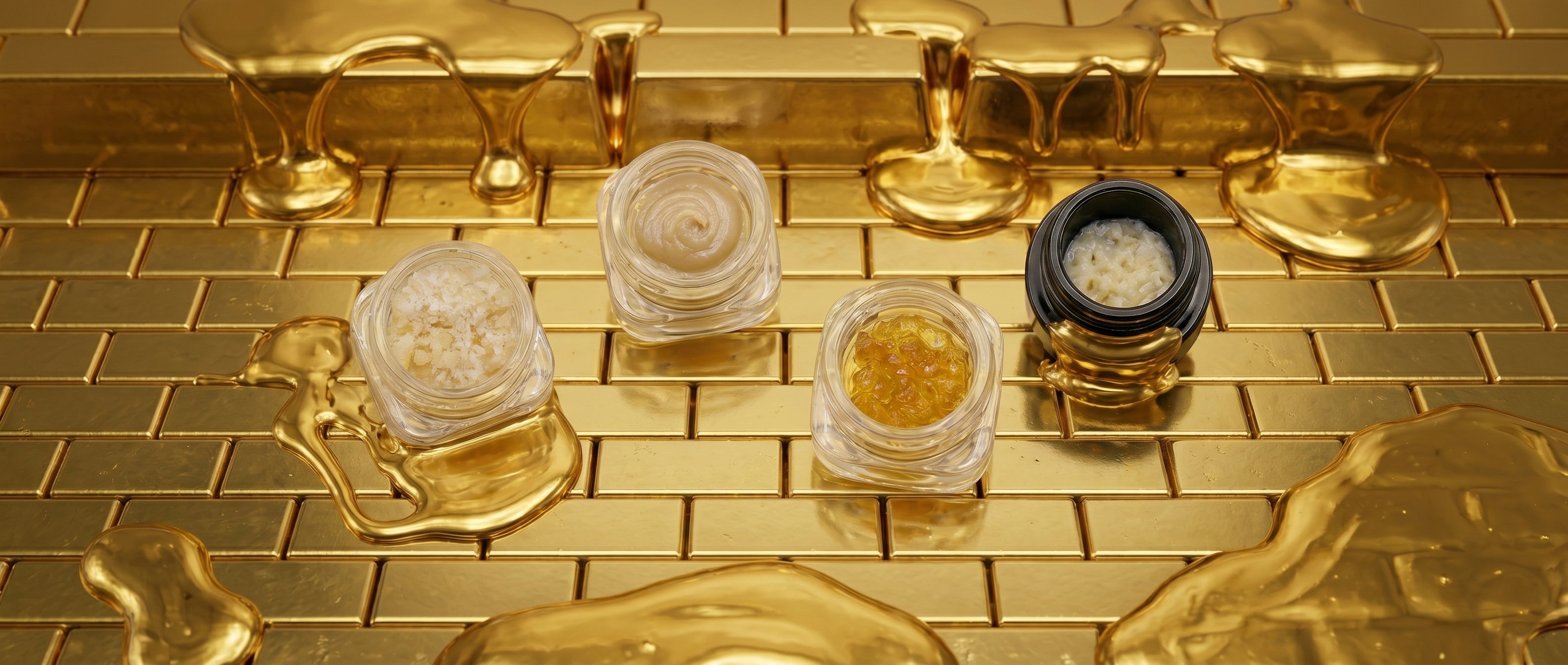
A first pass extract is never the finished product. It still carries plant fats, waxes, and pigment that need to separate out before the concentrate is stable or presentable.
- Filtration and winterization pull out lipids and waxes that would otherwise cloud the final product.
- Vacuum purging removes trace solvent down to parts per million, well under safety thresholds.
- Crystallization, common in diamond production, lets nearly pure THCA separate slowly from the terpene-rich liquid around it.
Skip or rush this stage, and a concentrate can look finished while still carrying solvent, plant fats, or an unstable structure that breaks down fast once it's opened.

What Quality Control Actually Checks
A batch doesn't leave the lab on the strength of the extraction alone. By the time testing happens, the entire THCA extraction process has already shaped what's sitting inside that jar. Hemp extraction facilities send finished product out for independent testing before it's approved to reach a shelf.
- Potency testing confirms THCA, Delta 9 THC, and total THC land where the label claims
- Screening covers residual solvents, pesticides, heavy metals, and microbial contamination
- Every batch ties back to a Certificate of Analysis, not a general product average
- Chain of custody tracking connects a specific jar back to a specific harvest and extraction run
The Costa Brand Standard From Seed to Jar
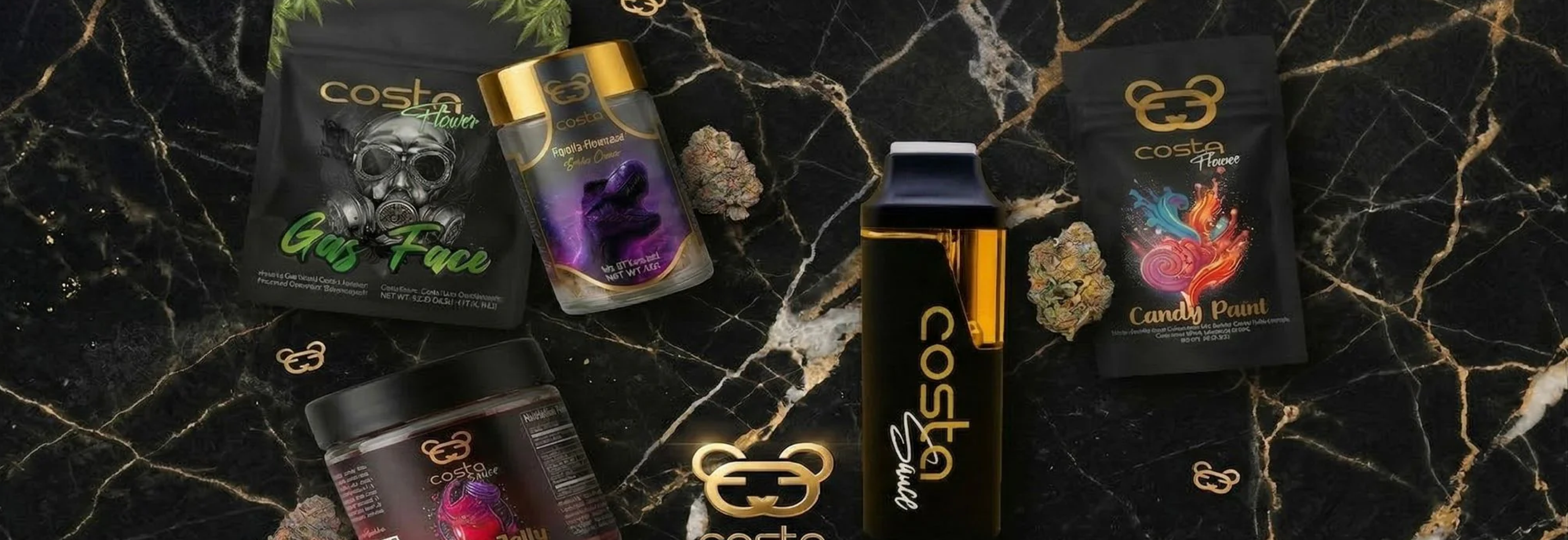
At Costa Brand, we treat every one of those five stages as equally important, not just the parts customers can see. Our flower is grown indoors under controlled conditions, harvested and handled based on its intended final product, extracted below decarboxylation temperatures, fully purified, and tested independently before anything ships. We publish every Certificate of Analysis by batch, not by product line, so you're checking the actual jar in front of you, not a general average. From live resin diamonds and live rosin to badder, sugar, and disposable vapes, that same standard runs through our entire concentrate lineup. If you've ever wondered why two jars of concentrate can feel so different, extraction is almost always the answer. Shop our full concentrate and flower collection, and see what careful extraction actually looks like in the jar.
Frequently Asked Questions
THCA extraction covers growing, harvesting, pulling resin from the plant, and purifying it, not just the extraction step itself. Each stage affects the final concentrate's quality and potency.
Yes. Cultivar genetics and controlled growing conditions determine how much resin a plant produces before extraction even starts, directly affecting the potency of the finished concentrate.
Fresh freezing preserves terpenes that evaporate during drying and curing. Live resin and live rosin rely on that fresh frozen path to capture aroma most cured flower loses.
Hydrocarbon extraction uses butane or propane to pull cannabinoids from plant material. CO2 extraction uses pressurized carbon dioxide instead, typically running at lower processing temperatures.
Raw extract still contains plant fats, waxes, and trace solvent after the first pass. Purification removes those elements so the final concentrate is stable and safe to consume.
Independent labs test finished batches for potency, residual solvents, pesticides, heavy metals, and microbial contamination, then issue a Certificate of Analysis specific to that batch.
No. Live resin and rosin typically start from fresh frozen flower, while badder, sugar, and diamonds usually come from cured flower processed through hydrocarbon extraction systems.