


Understanding Hemp: The Plant and Its Legal Classification
Hemp is a variety of the cannabis plant defined primarily by its delta-9 THC content. Under federal law in the United States, hemp is cannabis containing no more than 0.3% delta-9 THC on a dry weight basis. This threshold is what separates hemp from marijuana at the federal level and what makes hemp-derived products legal to produce, sell, and ship under the 2018 Farm Bill. Hemp is grown commercially for a wide range of applications, from fiber and seed oil to cannabinoid extraction, and it serves as the source plant for compounds like CBD, CBG, CBN, and THCA.

Understanding THCA: The Cannabinoid Within the Hemp Plant
THCA, or tetrahydrocannabinolic acid, is a naturally occurring cannabinoid produced during the hemp plant's growth cycle. It is the raw, non-psychoactive precursor to delta-9 THC. In its unheated state, THCA does not bind to cannabinoid receptors the way THC does, which means it produces no intoxicating effects. This is what allows hemp-derived THCA to exist within a federally compliant framework when the plant's delta-9 THC content remains at or below the legal threshold. Once exposed to heat through smoking, vaping, or other forms of activation, THCA converts to delta-9 THC through a process called decarboxylation.

Legal Definitions: Where Hemp and THCA Each Stand
The 2018 Farm Bill defines hemp as cannabis with delta-9 THC at or below 0.3% on a dry weight basis in its raw form. THCA, in its unactivated state, is not classified as delta-9 THC, which is what allows hemp-derived THCA to fall within that compliant threshold. Once heat is applied and THCA converts, the resulting compound is delta-9 THC. State laws, however, can differ from federal classification, and some states have moved to restrict THCA products independent of federal standing. Reviewing the Farm Bill-Compliant Hemp Guide and relevant THCA legal articles for your state before purchasing is always worth doing.

The Chemical Difference Between Hemp Cannabinoids and THCA
THCA and delta-9 THC share an almost identical molecular structure with one meaningful distinction. THCA carries an additional carboxyl group attached to its molecule. This extra group prevents the compound from binding to cannabinoid receptors in the same way THC does, which is what makes it non-psychoactive in raw form. Decarboxylation strips that carboxyl group through heat, converting the molecule into active delta-9 THC. The gap between hemp flower sitting on a shelf and hemp flower being consumed is, chemically speaking, that single reaction.

Common Product Categories Across Hemp and THCA
Hemp is the source. THCA is the cannabinoid. The products on the market reflect that relationship across a range of formats and potency levels. The THCA flower collection is the most direct expression of that relationship, offering strains grown specifically for high THCA content. Beyond flower, the product categories include:
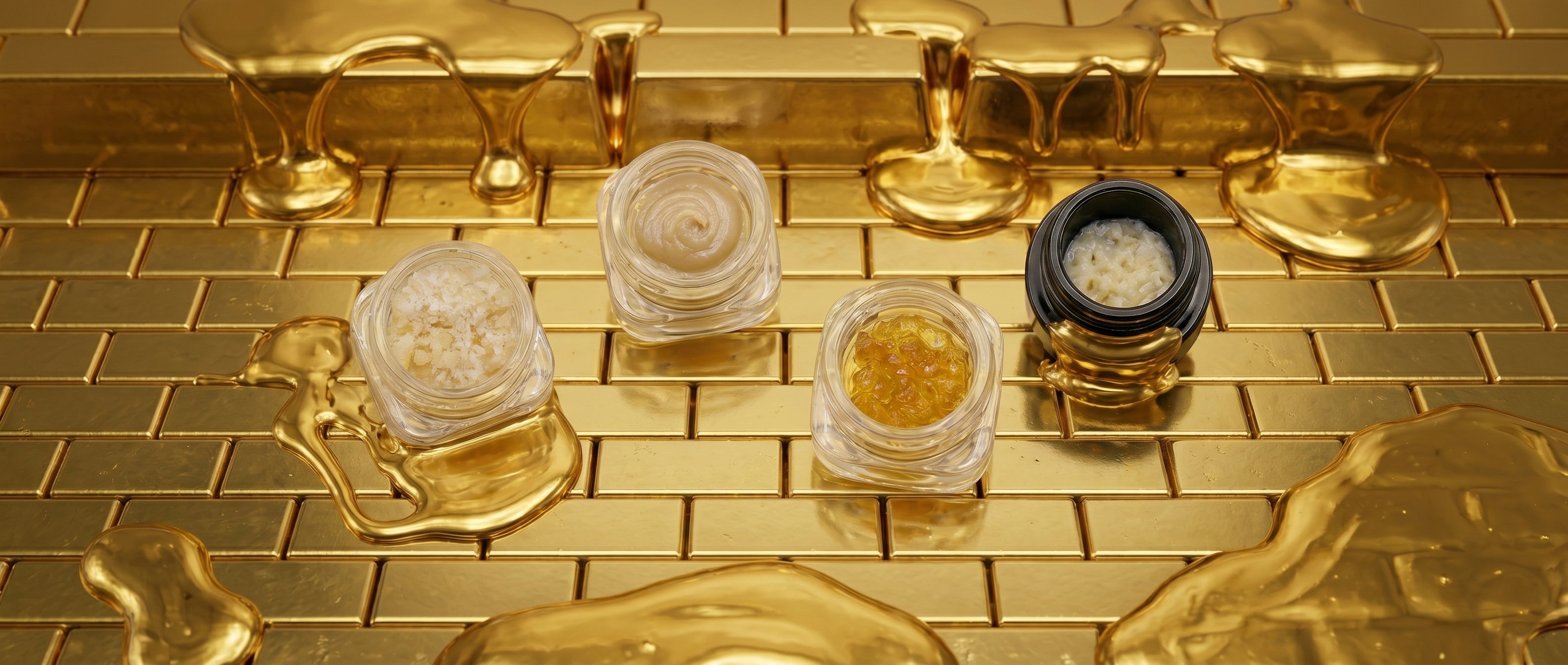
- THCA concentrates: live resin diamonds, live rosin, badder, and sugar, each extracted from high-THCA hemp and refined for potency
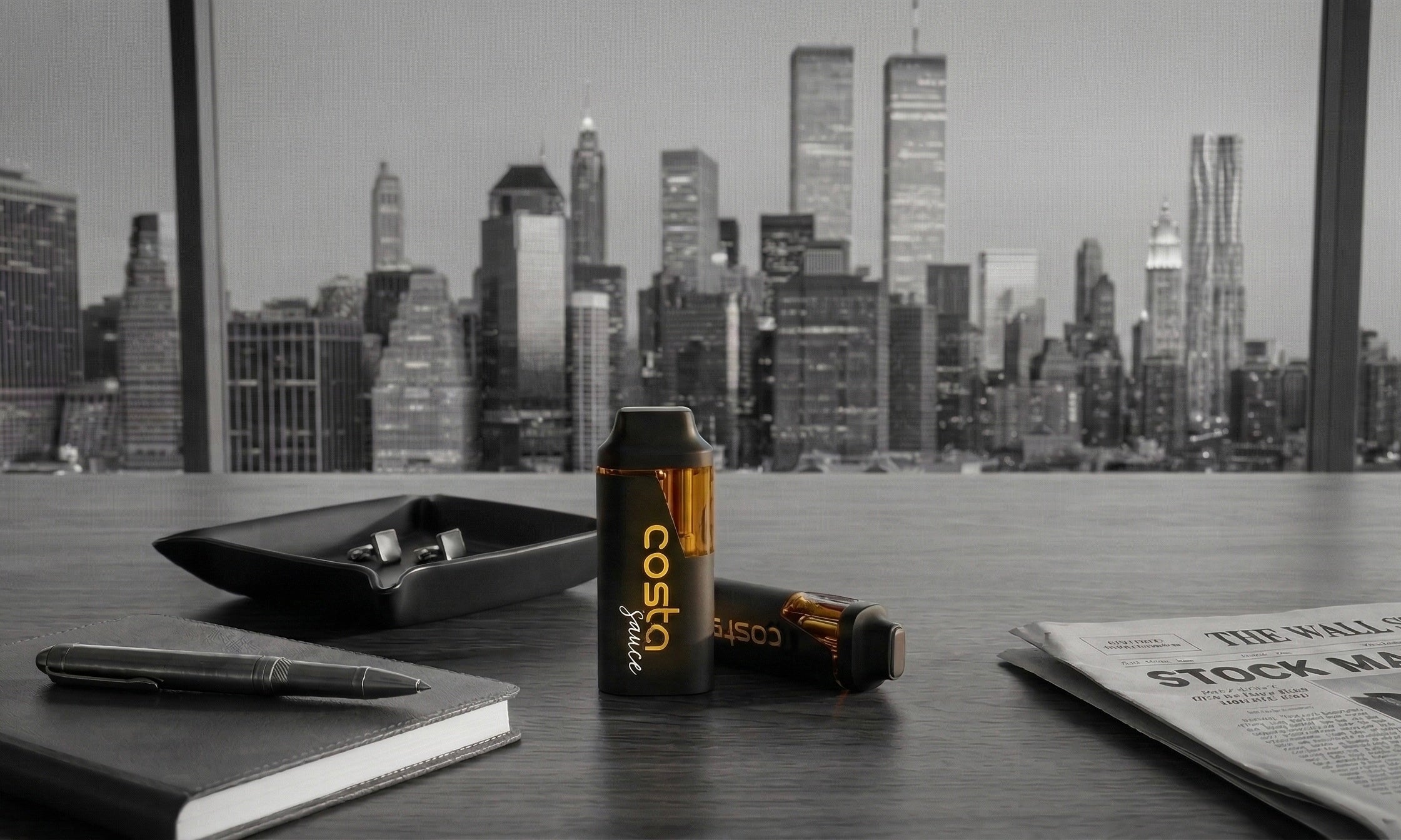
- THCA vapes: pre-filled disposable hardware carrying live resin extract for ready-to-use convenience
- THCA pre-rolls: hemp flower rolled for immediate use, with infused options available for higher potency
All compliant hemp products in the THCA category are derived from federally compliant hemp and independently verified through third-party lab testing before they reach the buyer.

Consumer Considerations When Choosing Between Hemp Products
Not every hemp product is a THCA product, and not every THCA product performs the same way.
A few practical questions should guide any purchase decision:
- Does the product come with a published Certificate of Analysis from a third-party lab?
- Does the label confirm hemp-derived status and list THCA percentage?
- Does the brand ship to your state?
- Does the seller make lab results accessible before checkout rather than after?
At Costa Brand, we address each of these directly across every product page, with lab results published so buyers can verify potency and purity before placing any order.
Frequently Asked Questions
THCA is a cannabinoid derived from hemp. When its source plant contains 0.3% or less delta-9 THC on a dry weight basis, THCA is a federally compliant hemp-derived compound.
Yes, hemp can and does contain THCA. Hemp plants cultivated for THCA products are specifically grown to maximize tetrahydrocannabinolic acid content while keeping delta-9 THC at or below 0.3%.
Hemp and THCA products are not the same. Hemp is the source plant, while THCA is one specific cannabinoid it produces. Not every hemp product contains significant THCA concentrations.